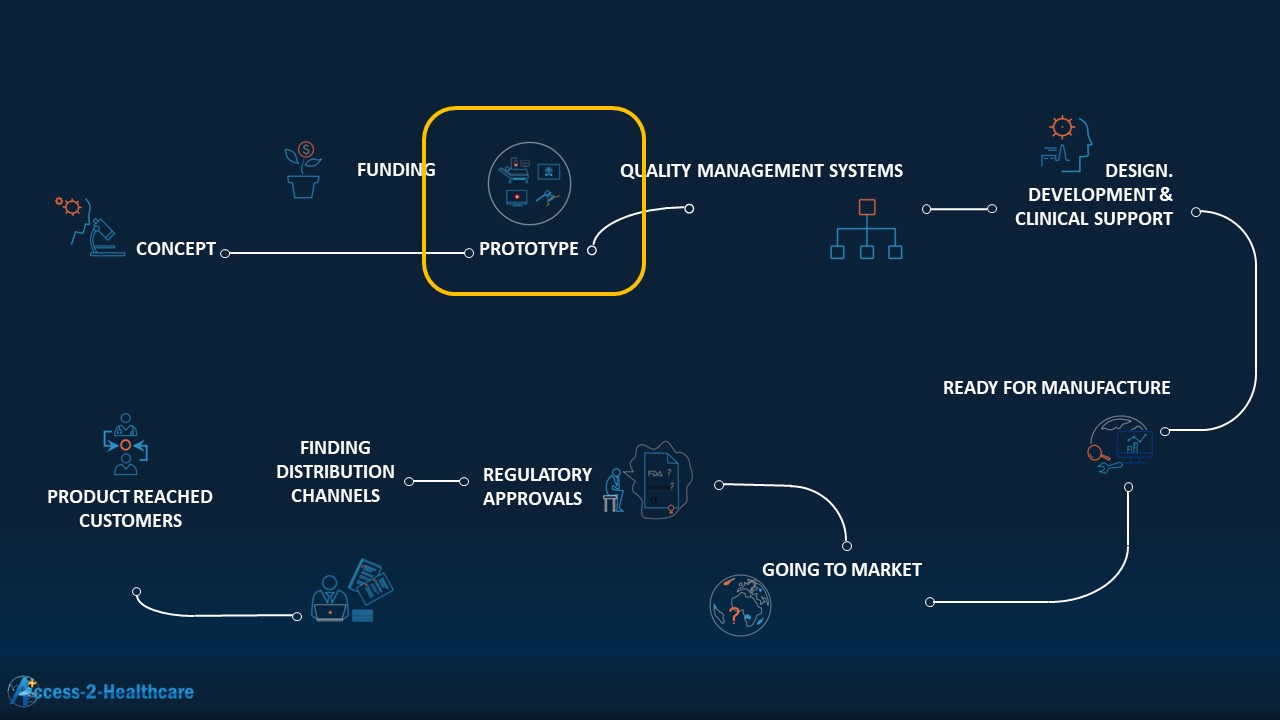
PROTOTYPE
Prototyping, Prototyping – how many more iterations to go?
It doesn’t matter as long as
- The iterations are costed and accounted for
- The engineering department has the materials, tools, and technical expertise.
While the first point is a function of the contract, the second point is a function of the selection and due diligence process.
Many a times we have the founding team searching for a prototyping house, spent all the time investigating track record and completed work, but plain forgot to check the basics.
- Where’s your tools list? Are your tools and jigs able to prototype what I need to the required tolerance, and using the required materials?
- Where are your engineers? Any of them have the required technical skills? Are they working on their own or in a team?
- Where are these tools and engineers located? (Even if they are not in-house, that is ok as long as the company is transparent about it.
- What is the charging model? Per prototype piece? How about subsequent pieces? Are they expecting larger volume manufacturing at a later date, or are they happy to prototype at a cost?
- Where do your materials come from? Do you have what my material specifications say, or can you suggest them to us?
Most of these questions can be answered rather quickly and succinctly, which makes it easy to evaluate suitability. If they are found acceptable, the next steps would be to see if communication is easy and how accessible it is for the client to visit. Even if it is an outsourced party, transparency is crucial, especially between the founders/research team and the engineering team.
Once all of the above is clear, then wrap this around a written agreement, clear payment terms, delivery schedules, and termination clauses. Be clear that prototypes can fail, and a complete re-design may be necessary.
Get your prototype ready with us!
.png)
.png)
_(3).png)
.png)